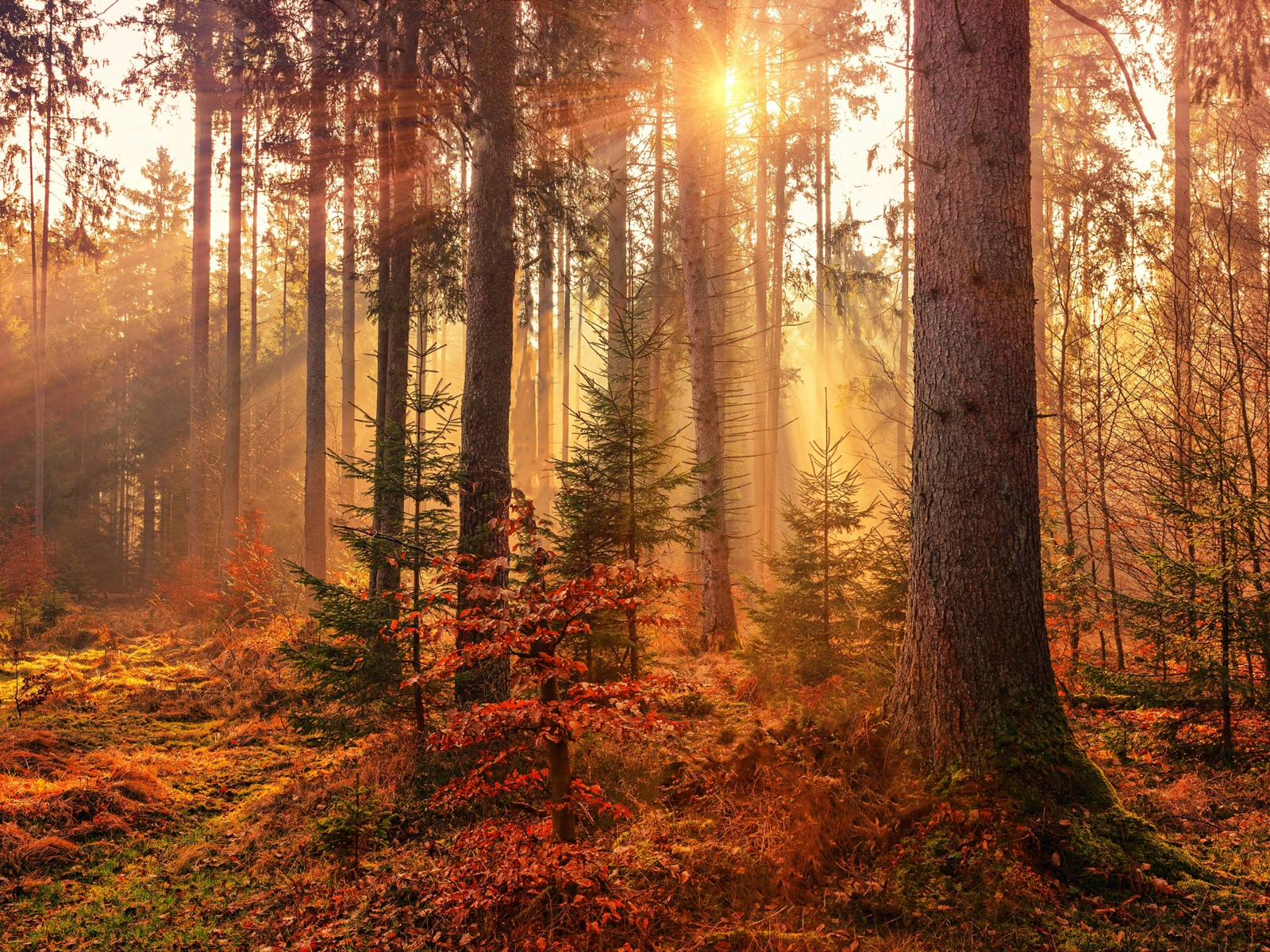
For some writers and artists, autumn suggests fading life: leaves fall, days shorten and winter approaches. I see something else. Autumn is my favourite season precisely because it is a passage, not an ending. Nature changes its palette almost daily, and light reveals colours that seemed hidden only weeks before.
IN DEPTH
Understanding the Subject
Autumn and the Poetry of Passing Time
In European poetry, autumn often carries the feeling of passing time. Falling leaves and shortening days can become images of loss, memory and mortality.
This is one strand of Romantic sensibility, not a rule shared by all Romantic writers, and humanism itself cannot be reduced to a single view of the seasons. The same landscape can inspire melancholy, gratitude or wonder.
A Transition, Not an Ending
I prefer to contemplate the transition itself. Autumn is neither the exuberance of summer nor the stillness of winter. It is a season in motion, a conversation between what remains and what is changing.
A forest does not become less beautiful because its leaves will fall. Its fleeting appearance gives us a reason to look more carefully, to enjoy what is present instead of anticipating its disappearance.
The Forest Becomes a Palette
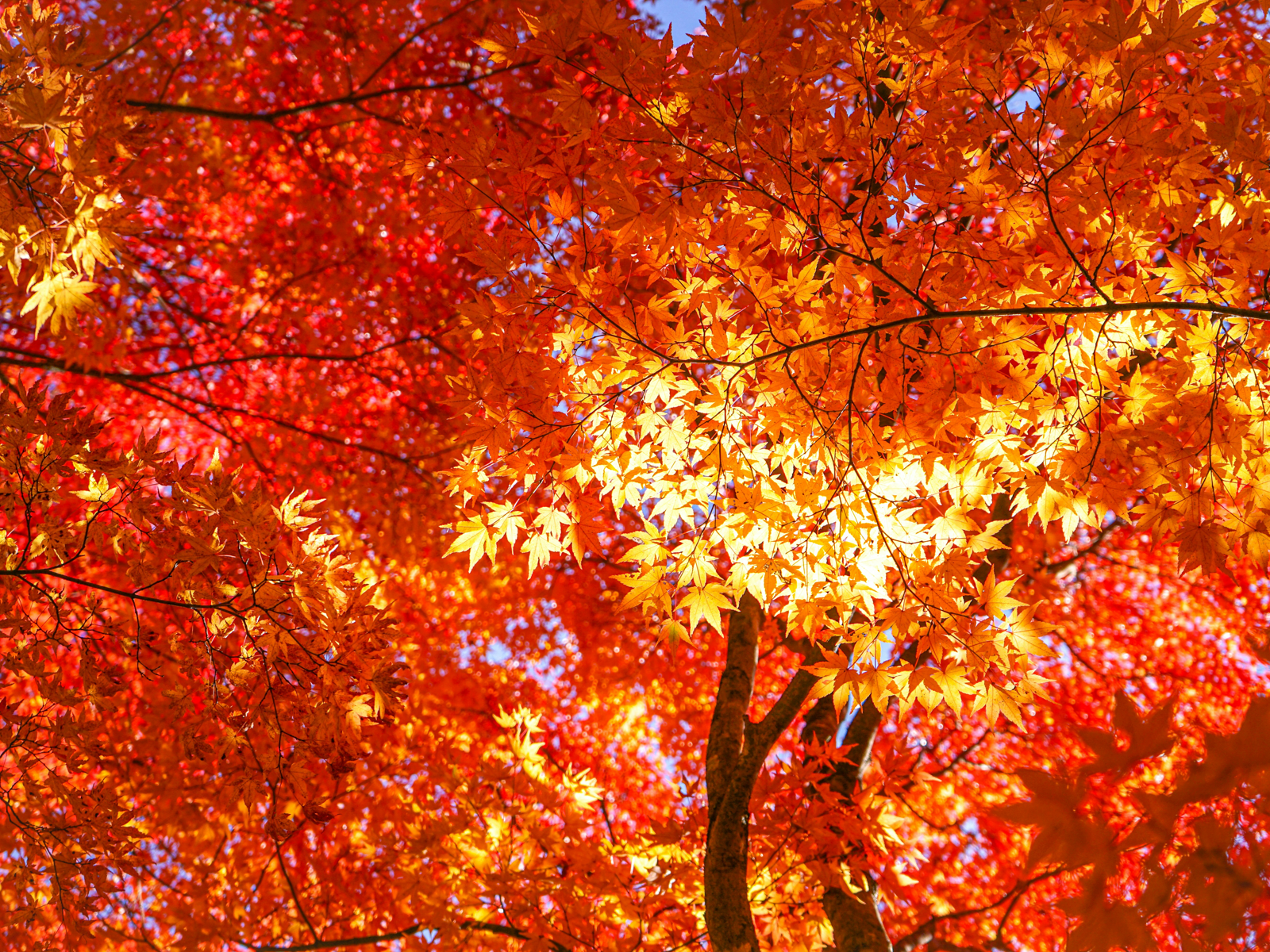
Look upward: scarlet and vermilion mingle with copper, amber and gold. Even within a single leaf, several shades meet. Against a glimpse of blue sky, warm colours seem to glow more intensely.
These contrasts are not merely decorative. They give the landscape rhythm, depth and emotion. Every branch suggests another composition.
Water, Leaves and the Rhythm of Change
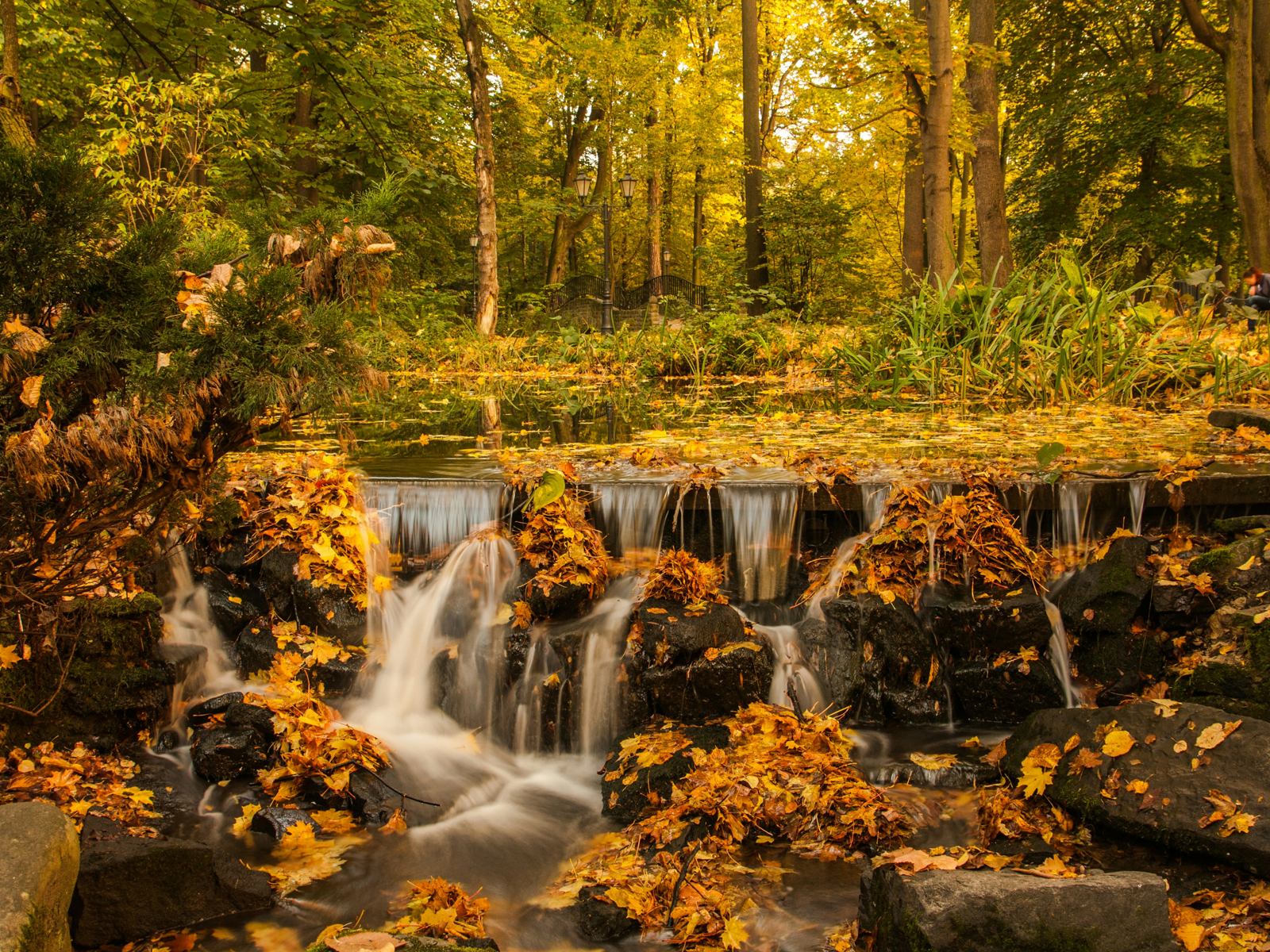
Beside running water, autumn offers another kind of spectacle. Golden leaves gather on rocks while the current continues its journey. What appears still and what keeps moving belong to the same scene.
The image invites us to see change as a natural rhythm rather than a tragedy: the water flows, the leaves travel, the forest prepares for another season.
The Light That Paints
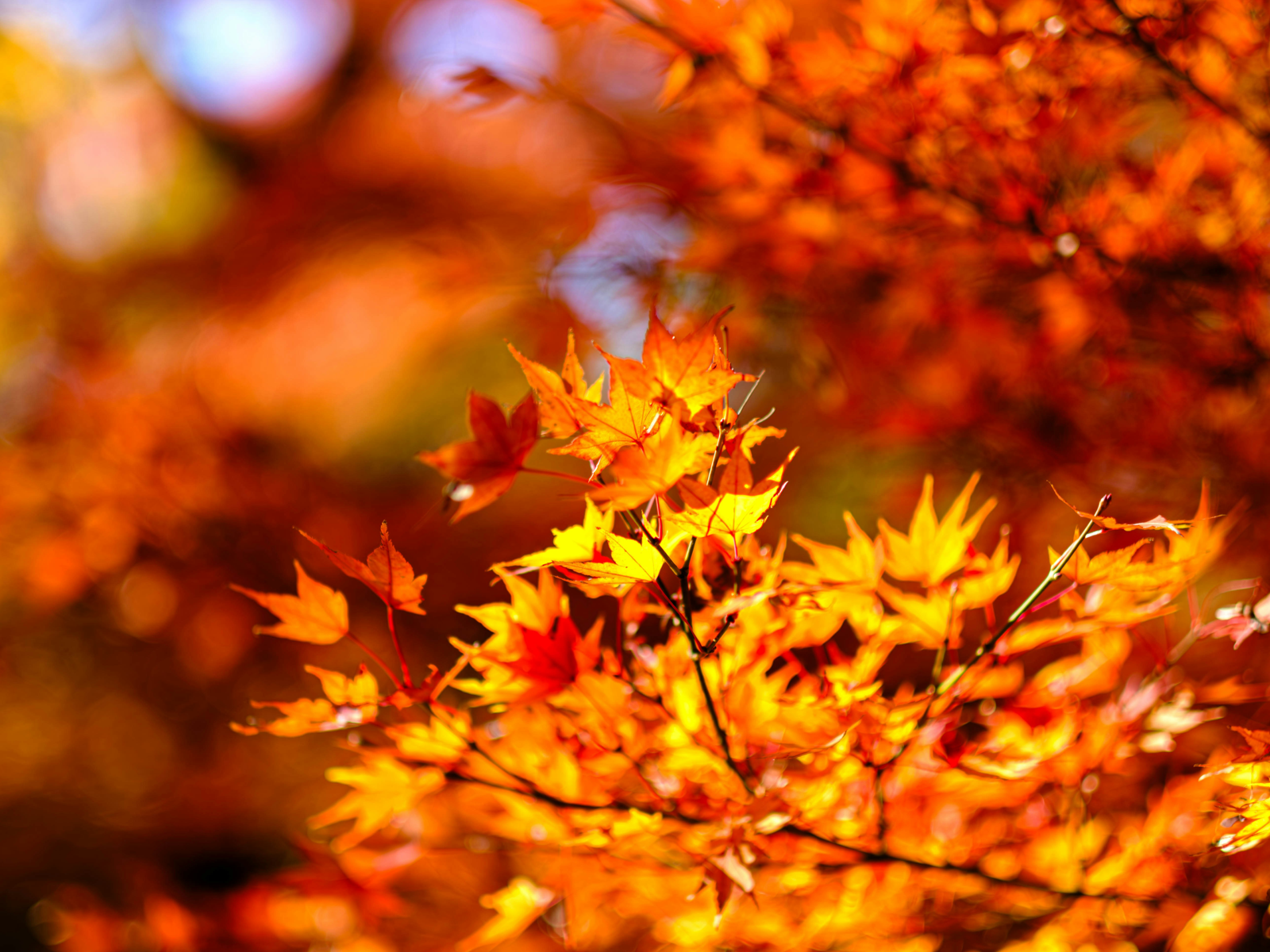
Low sunlight passes through branches, turns mist to gold and illuminates the edges of leaves. The same tree can appear entirely different in the morning and late afternoon.
For a painter, this is an inexhaustible lesson: colour never exists alone. It changes with its neighbours, with shadow, with atmosphere and with the eye that observes it.
Celebrating What Changes
Perhaps this is why I love autumn so much. It does not ask us to deny that time passes. It invites us to find beauty in that passage.
Instead of treating the approaching winter as the only meaning of autumn, I choose to see a magnificent present: a brief, generous celebration of light and colour.