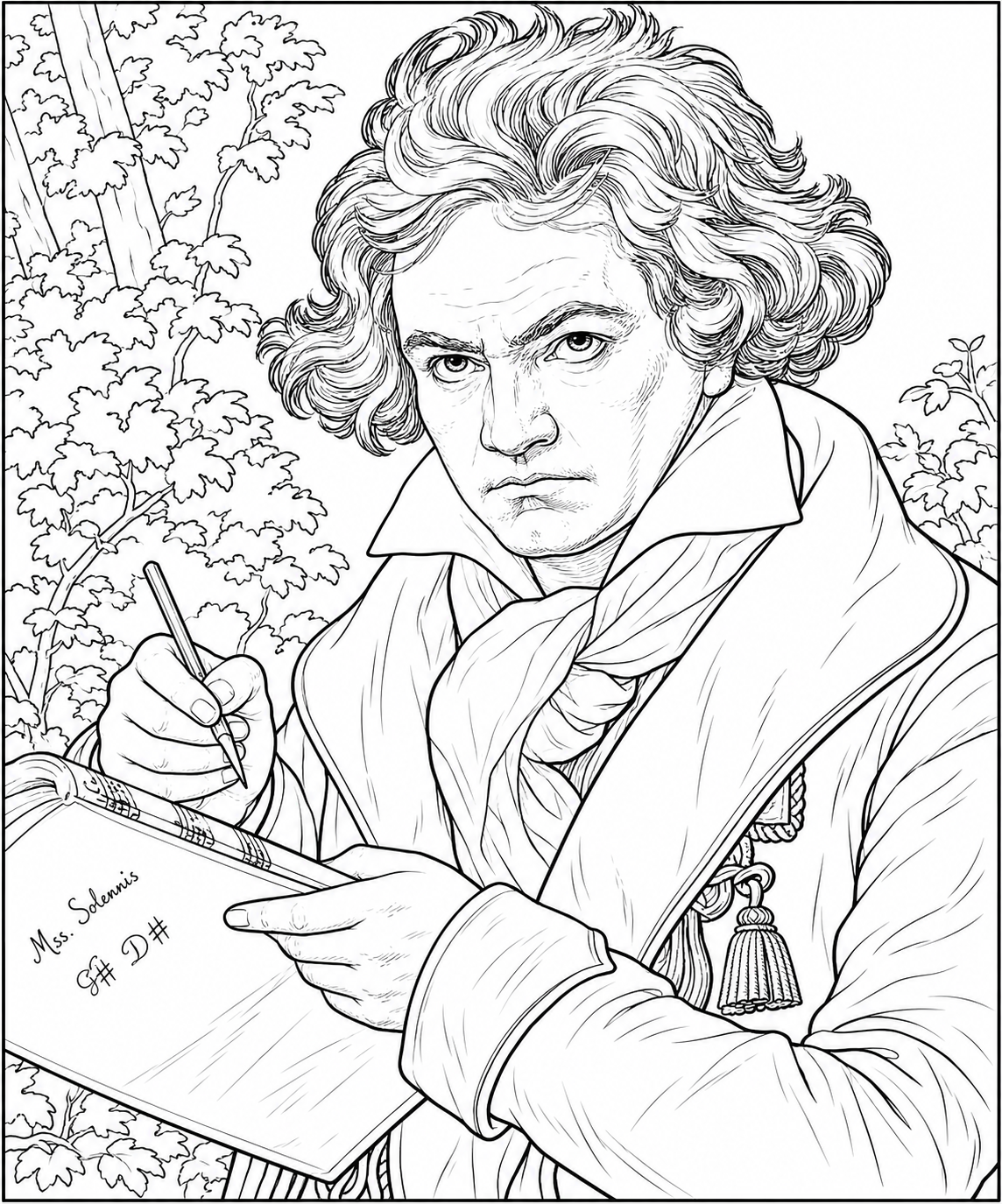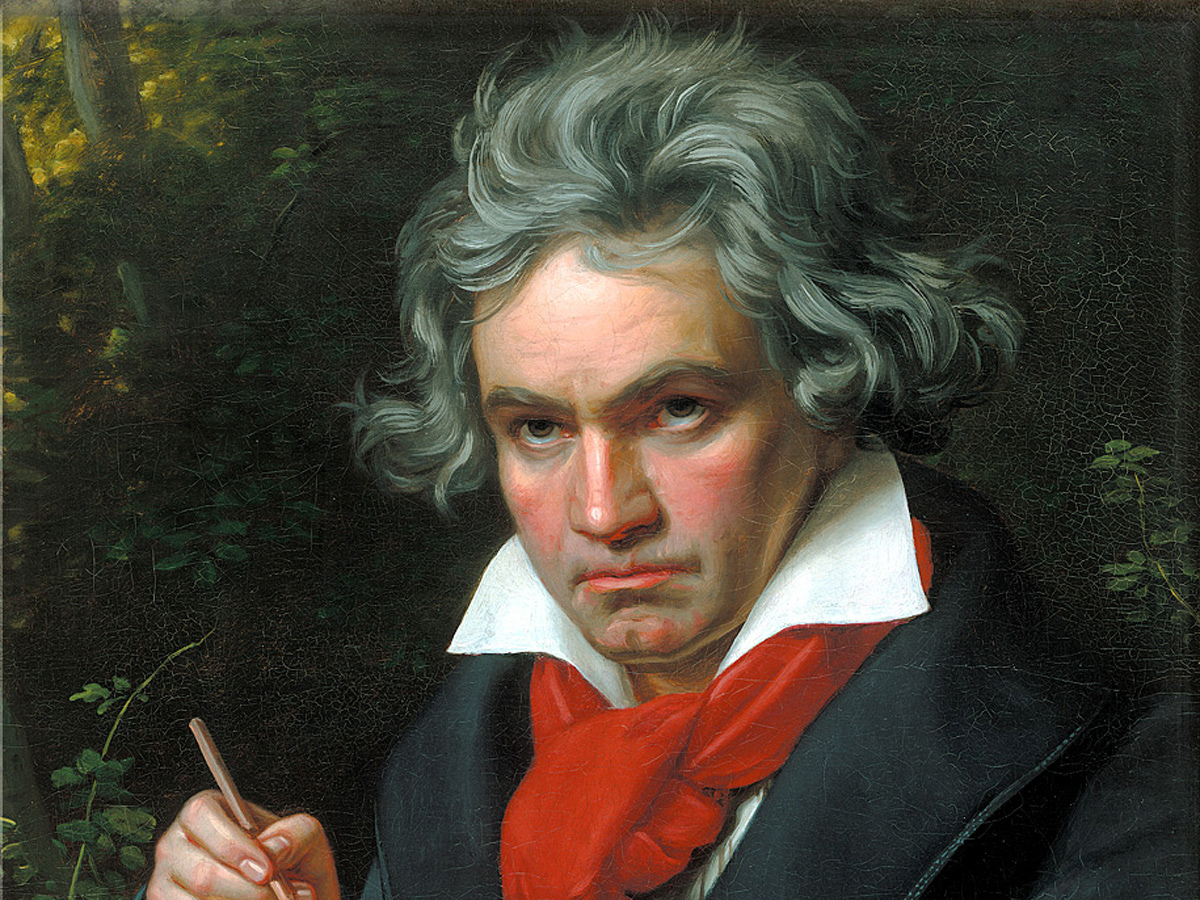
Ludwig van Beethoven is remembered as one of the most powerful figures in the history of Western music. Yet behind the monumental image of the composer stands a man confronted with an extraordinary contradiction: a musician progressively losing the very sense upon which his art seemed to depend. His story is not simply one of triumph over adversity. It reveals something more subtle about creation: how an artist can transform uncertainty, isolation and personal crisis into a new way of imagining his work.
IN DEPTH
Understanding the Subject
Heiligenstadt: A Place of Crisis
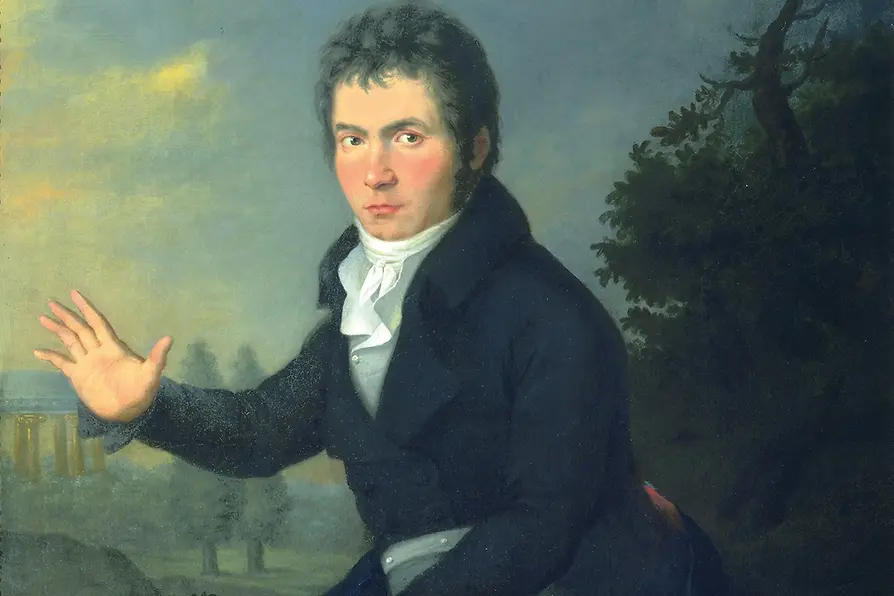
In 1802, Beethoven stayed in Heiligenstadt, then a rural area outside Vienna. He had already become increasingly aware that his hearing was deteriorating.
For a composer and performing musician, this was not merely a physical difficulty. Hearing belonged to the centre of his professional and artistic existence.
Beethoven sought relief for his condition, but his hopes for recovery were fading. Away from the social and musical life of Vienna, Heiligenstadt became the setting for one of the most difficult periods of his life.
The Heiligenstadt Testament
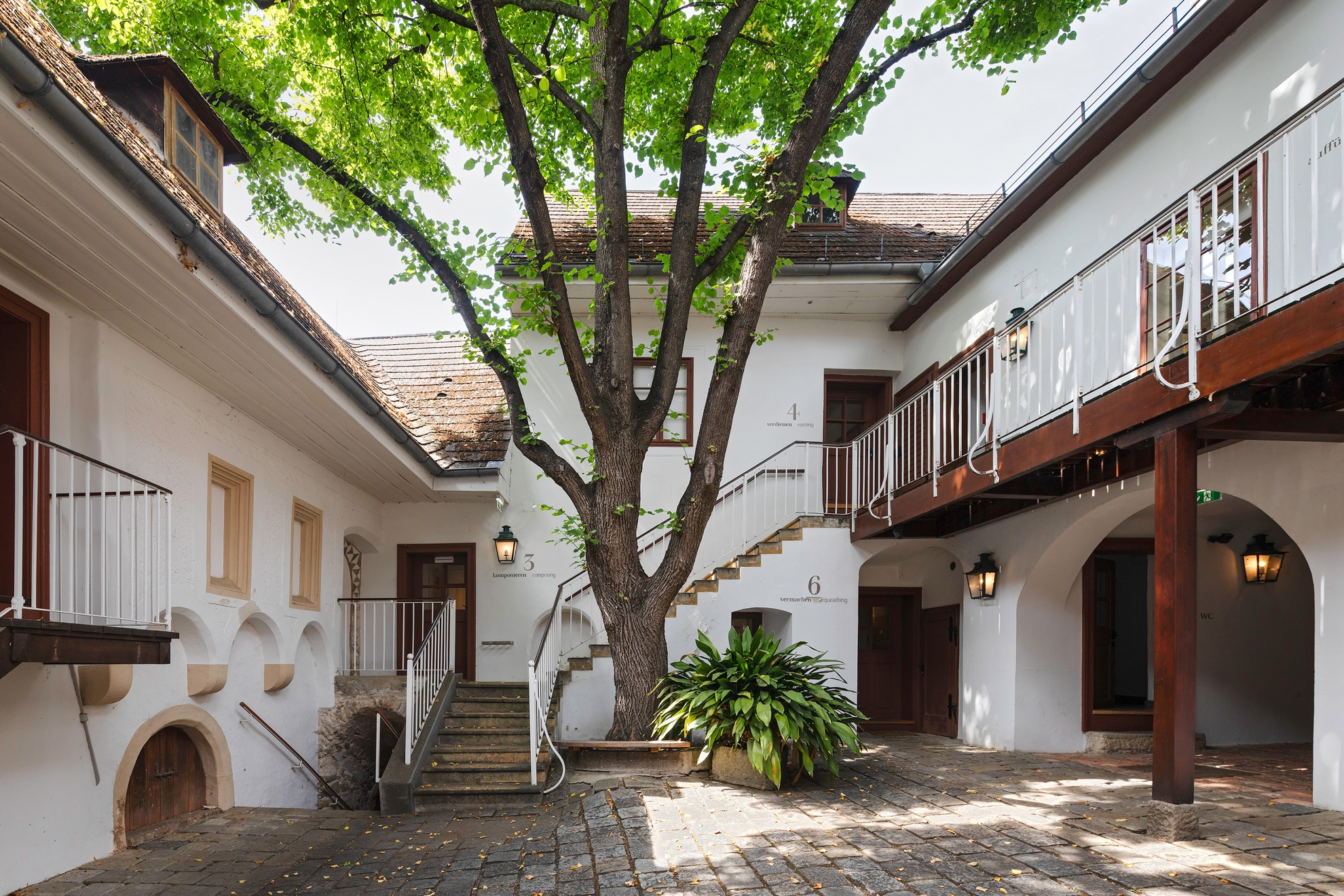
In October 1802, Beethoven wrote the document now known as the Heiligenstadt Testament. Addressed to his brothers but never sent, the text reveals his anguish, his increasing isolation and his fear of being misunderstood because of his deteriorating hearing.
The document also reveals another force: his commitment to art. Beethoven explains that his artistic calling prevented him from abandoning life before he had created everything he felt capable of creating.
The Heiligenstadt Testament therefore stands at a remarkable threshold between despair and continuation. It does not mark the end of Beethoven's difficulties, but it helps us understand the determination with which he continued his creative journey.
From Silence to a New Creative Period
Heiligenstadt should not be understood as the place where Beethoven suddenly overcame deafness. His hearing difficulties continued and became increasingly severe.
During this period, however, Beethoven was entering one of the most important phases of his artistic development. The Wien Museum associates Heiligenstadt with several significant works and with early sketches of the Third Symphony, later known as the Eroica.
The landscape surrounding the composer therefore becomes more than historical background. A place can affect the rhythm of thought. Distance can change perception. Isolation can create another kind of attention.
When one means of experiencing the world becomes uncertain, memory and imagination may acquire a different importance.
The Eroica: Creation and History
Beethoven's Third Symphony became known as the Sinfonia Eroica. Its history connects personal creation with the political transformations taking place across Europe.
Beethoven initially associated the symphony with Napoleon Bonaparte, but his relationship with the political figure and the ideals surrounding him changed. The surviving manuscript bears physical evidence of the removal of Napoleon's name from the title page.
What remains most significant is that the Eroica ultimately became much larger than a musical portrait of one historical individual. Its scale, dramatic development and expressive ambition opened new possibilities for what a symphony could communicate.
From the Man to the Monument
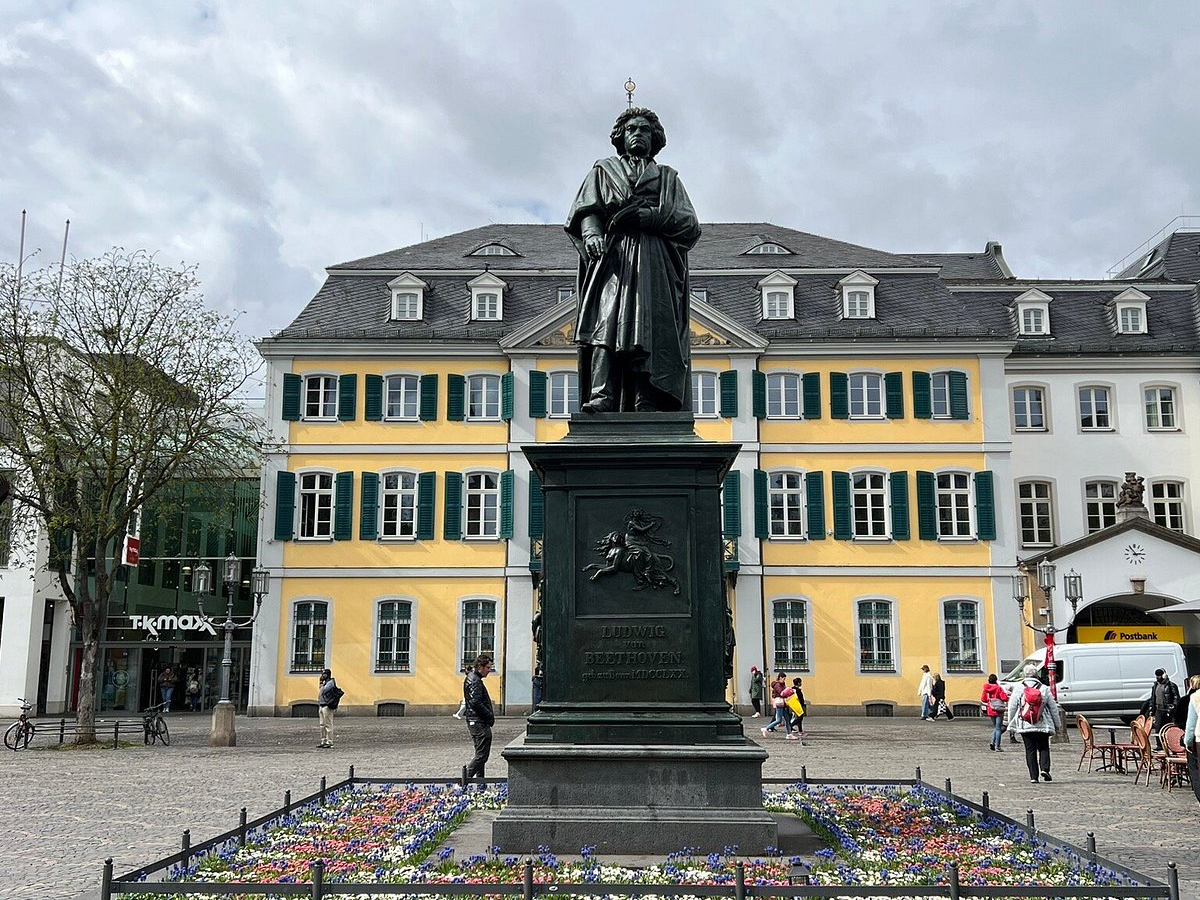
Beethoven died in Vienna in 1827. Less than twenty years later, another transformation was taking place, this time not in music but in public memory.
On 12 August 1845, a monument to Beethoven was unveiled on Münsterplatz in his native Bonn. The project followed years of effort. Robert Schumann helped circulate the appeal for donations across Europe, while Franz Liszt contributed substantially to the remaining costs and played an important role in the celebrations surrounding the monument.
The unveiling became an international cultural event attended by figures including Queen Victoria, Prince Albert, King Frederick William IV of Prussia and Alexander von Humboldt.
The private man who had written of isolation at Heiligenstadt had become a public figure cast in bronze. Heiligenstadt preserves the memory of vulnerability; the monument in Bonn represents permanence. Between them stands the work.
When Creation Goes Beyond the Senses
Beethoven's experience invites us to reconsider what artistic creation actually requires. Artists naturally depend upon their senses. Musicians listen. Painters observe. Sculptors touch. Writers listen to language.
But creation is not merely the recording of sensory information. The artist remembers, transforms and imagines what does not yet exist.
For a visual artist there is an interesting parallel. Painting does not simply reproduce what the eye sees. Colour can emerge from memory, emotion and interpretation. In the same way, music can first exist internally as structure, movement, tension, memory and imagination.
It would be misleading to romanticise Beethoven's suffering or to suggest that deafness created his genius. The remarkable point is different: the obstacle did not end the creative process.