SOKANRED JOURNAL

Art ยท Nature ยท Colour ยท Creative Process

Turner and the Memory of Light

How light, colour and atmosphere became the true subjects of painting.

Discover the Children's Section
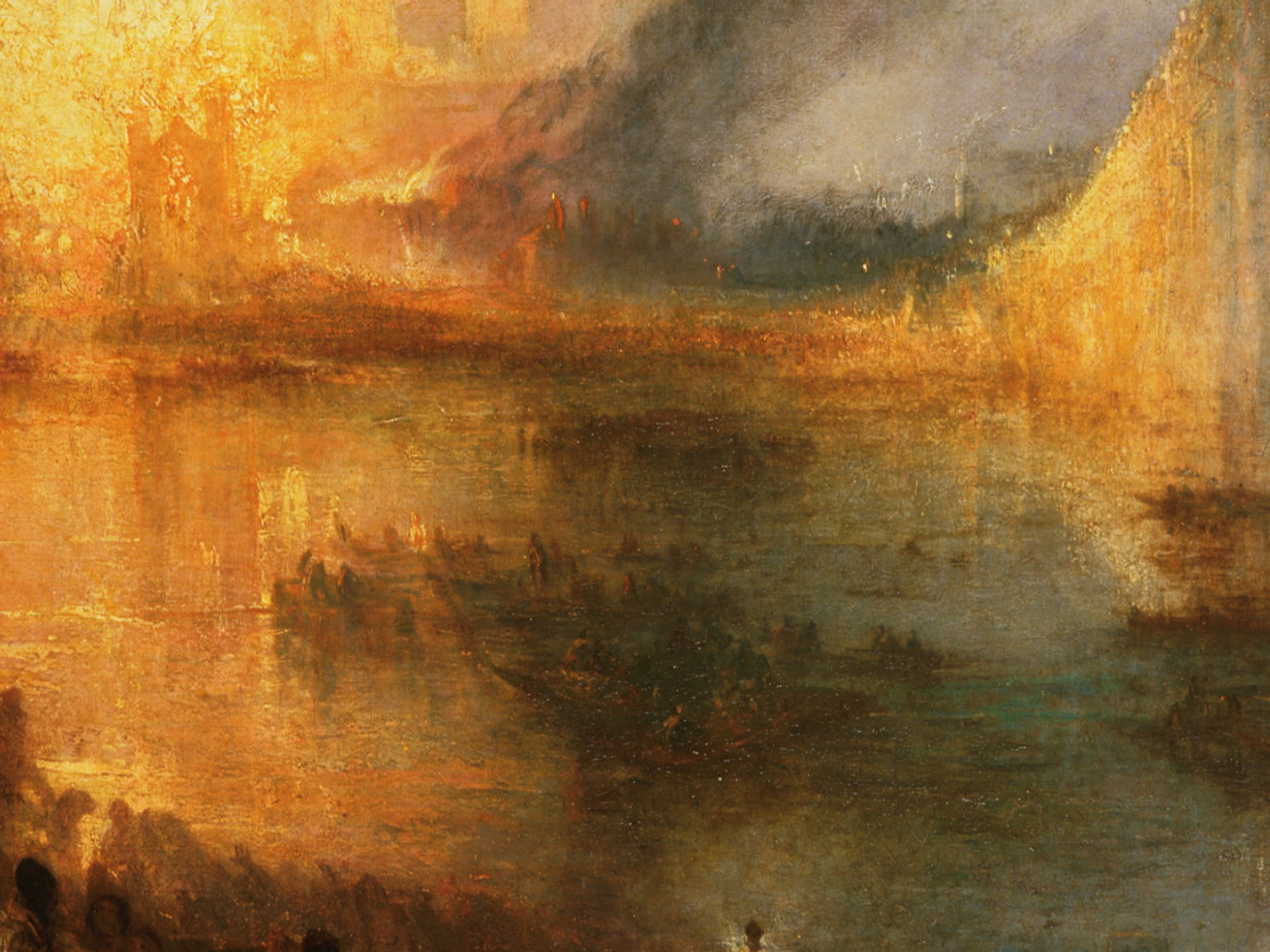
Painting by J. M. W. Turner dominated by golden light reflected across water.
J. M. W. Turner โ€” light becomes one of the principal elements through which the landscape is perceived.

What remains of a landscape when its precise forms begin to disappear? In the work of J. M. W. Turner, the answer may be light. Mountains, ships, cities, storms and fires remain present, yet they often seem to dissolve into colour and atmosphere. Turner did not simply paint what stood before his eyes. He explored how the world is perceived, remembered and transformed through light.

IN DEPTH

Understanding the Subject

From Landscape to Experience
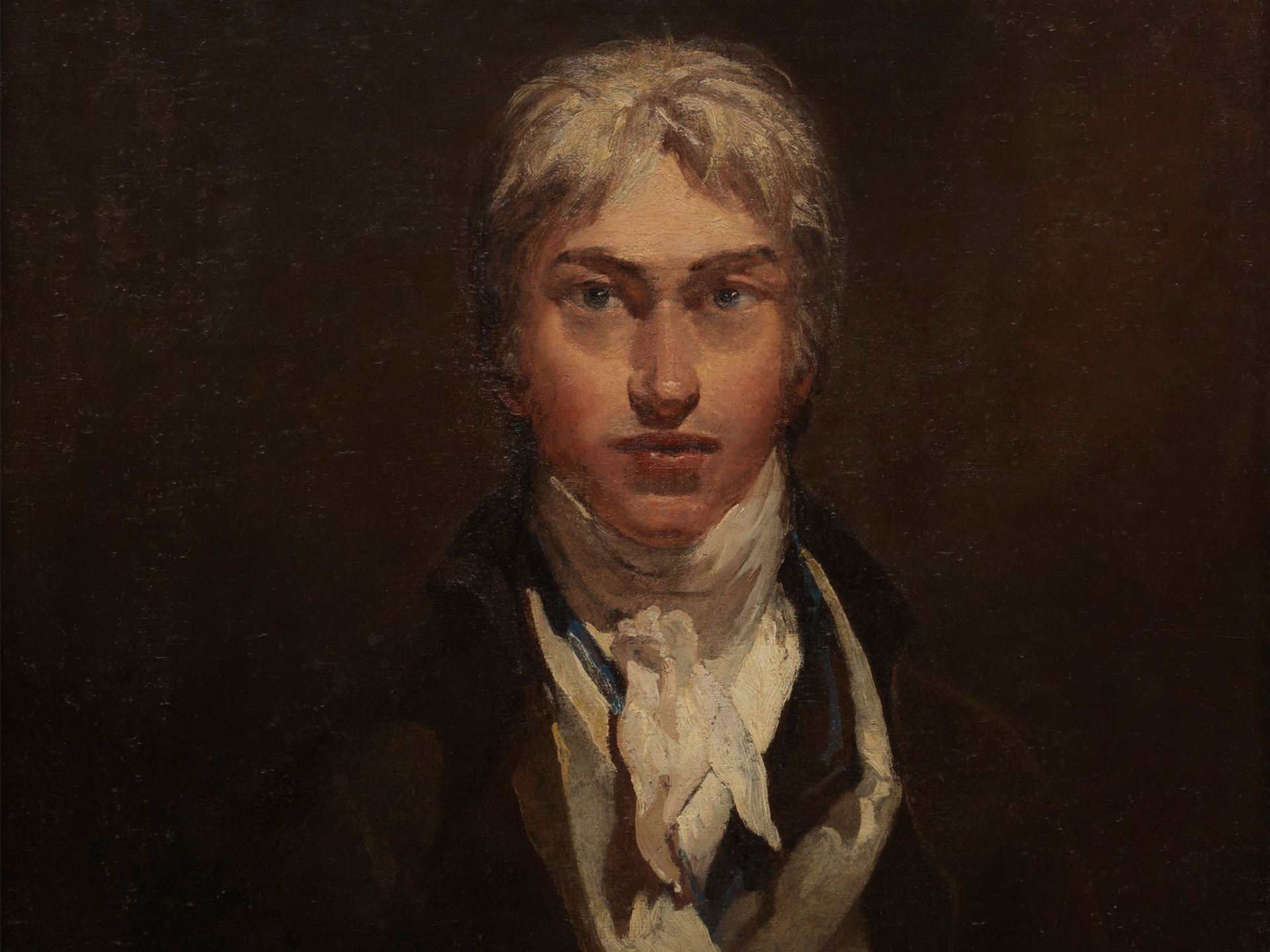
Portrait traditionally identified as J. M. W. Turner as a young man.
Portrait traditionally identified as J. M. W. Turner.

Joseph Mallord William Turner was born in London in 1775 and entered the Royal Academy Schools while still very young. His early work demonstrated a remarkable command of architectural drawing, watercolour and landscape traditions.

As his work developed, landscape became more than the representation of a place. Turner increasingly used it to explore forces that are difficult to contain within precise outlines: mist, rain, fire, sea spray, speed, storms and sunlight.

The landscape therefore became an experience. The viewer is not merely invited to identify mountains, buildings or ships, but to feel the instability of the atmosphere surrounding them.

When Light Changes Form
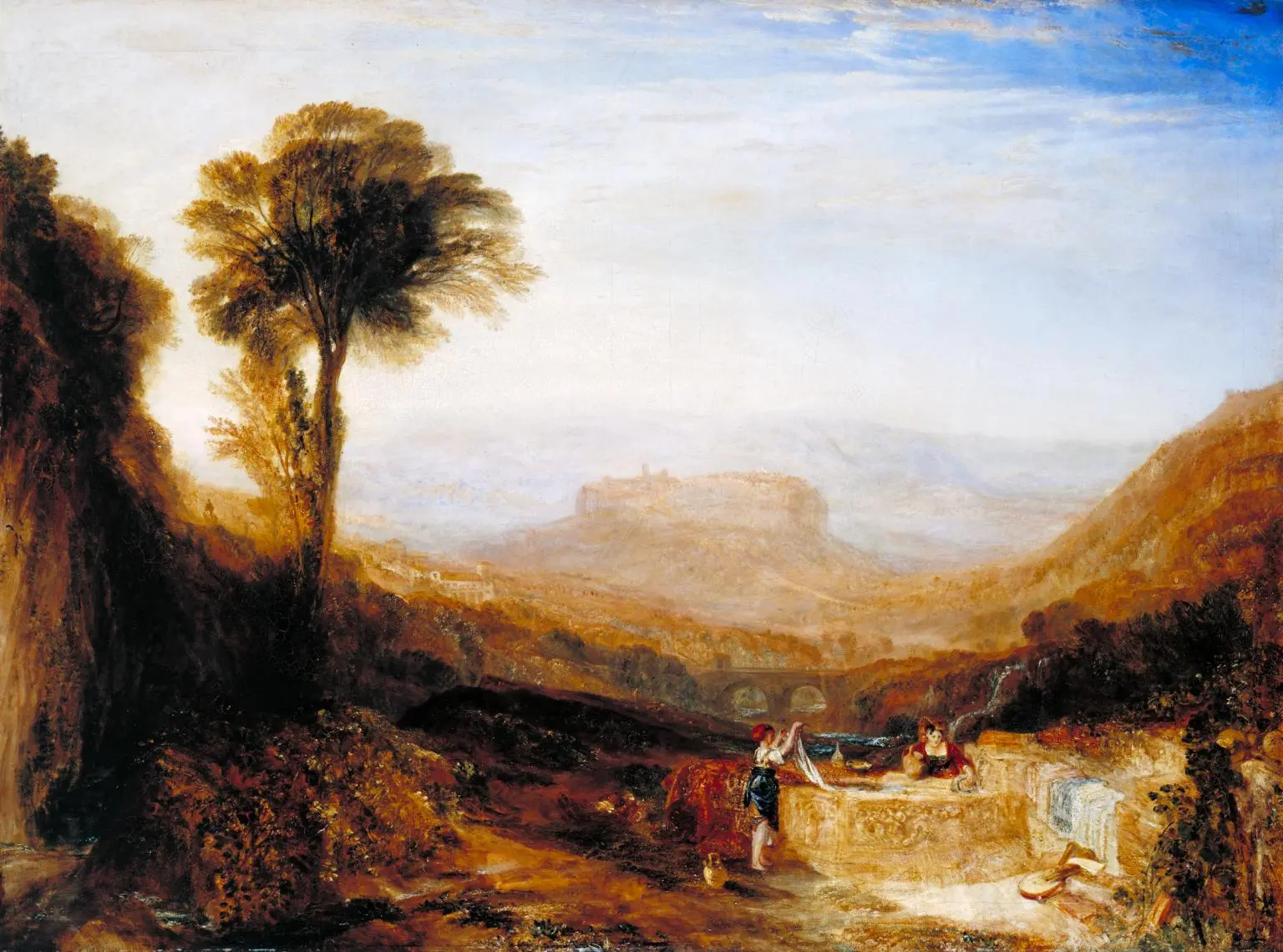
Landscape by Turner in which distant forms dissolve into a luminous atmosphere.
In Turner's landscapes, light and atmosphere can gradually weaken the boundaries between forms.

In many of Turner's mature paintings, objects remain identifiable but their boundaries become uncertain. Forms appear to emerge from luminous fields and then disappear into them.

This does not mean that Turner abandoned observation. His extensive use of sketches and watercolours demonstrates a sustained attention to landscape and atmospheric conditions. Yet observation became the beginning of the creative process rather than its final objective.

Light could alter the apparent solidity of the world. A building might become a silhouette, a ship might almost disappear into mist, and the horizon might dissolve between sea and sky.

Colour as an Active Force
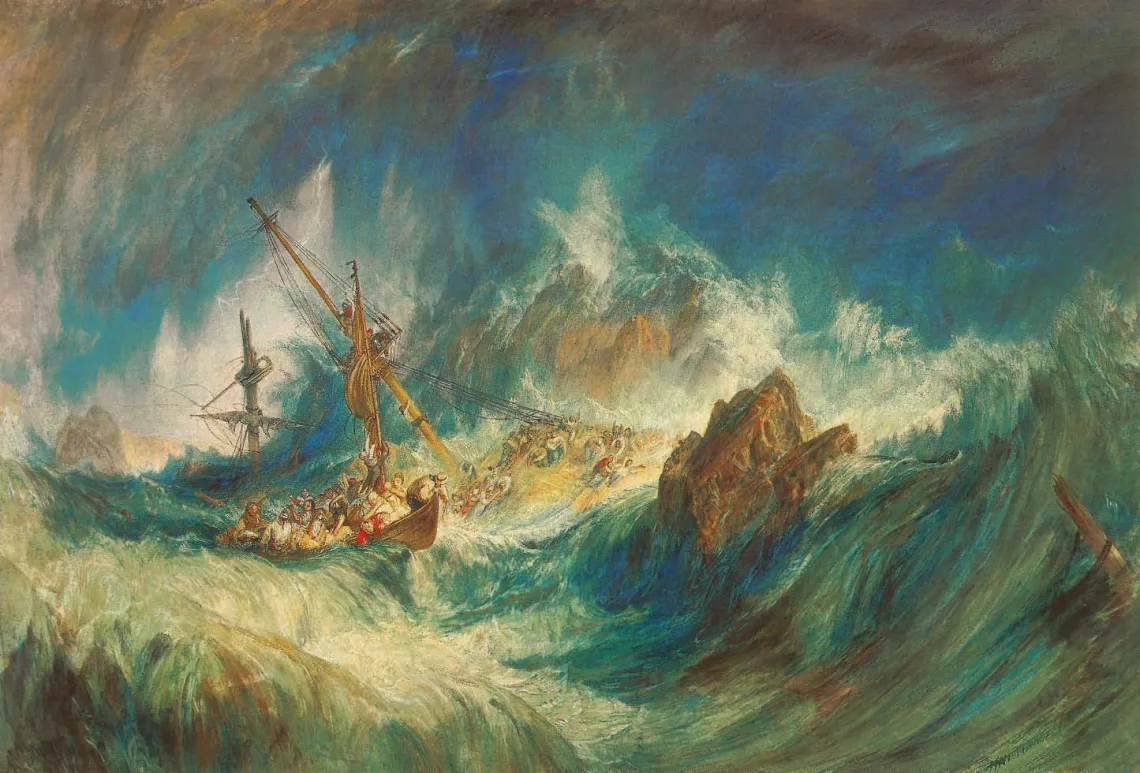
Turner painting of ships and people caught in a violent storm at sea.
Storm, sea and movement allow Turner to transform landscape into an intense visual experience.

Colour in Turner is not merely applied to objects after their forms have been established. It frequently participates in the construction of space, movement and atmosphere.

Yellows, reds and oranges may suggest sunlight, fire or energy, while blues and cooler tones can establish distance, water or atmospheric depth. Their relationships often matter as much as the individual objects represented.

This approach gives colour an unusual degree of autonomy. Colour begins to carry sensation and meaning rather than simply describing the local appearance of things.

Between Observation and Memory

An artist never works only with what is immediately visible. Observation is joined by memory, selection and interpretation.

Turner's paintings reveal the creative possibilities of this transformation. What has been seen can be simplified, intensified or reorganised. The remembered impression of an event may become more important than the exact inventory of its details.

This is one reason Turner's work remains significant for later discussions of modern painting: the visible world is still present, but painting increasingly asserts its own language of colour, surface, light and movement.
A CREATIVE PERSPECTIVE

From Understanding to Creation

Turner's work raises a question that reaches beyond nineteenth-century landscape painting: must an artist reproduce everything that is visible?

A creative work can begin with observation without remaining imprisoned by it. The artist chooses what to preserve, what to remove, what to intensify and what to transform.

Light provides a particularly powerful example. It has no fixed shape of its own, yet it changes every shape it touches. By painting light, the artist is therefore also painting transformation.

For an artist concerned with the intrinsic power of colour, Turner offers an important lesson: colour does not have to remain subordinate to objects. It can organise space, create emotion, suggest movement and become one of the principal subjects of the work itself.

THE ESSENTIAL IDEAS

What Should We Remember?

  • Turner transformed landscape from the description of a place into an experience of light, atmosphere and movement.
  • Observation remained fundamental, but it was transformed through memory, selection and interpretation.
  • Light can dissolve boundaries and change the apparent solidity of forms.
  • Colour can construct space and emotion rather than merely describe objects.
  • A work of art may remain connected to the visible world while moving toward a more autonomous language of colour and sensation.

EXPLAIN IT SIMPLY

And If We Explained It to a Child?

Understanding something deeply also means being able to explain it clearly.

Imagine that you are looking at a harbour in bright sunlight. You can see boats, water, clouds and buildings.

Now imagine that the sun becomes so strong that some details begin to disappear. The water shines. The buildings become silhouettes. The sky and the sea almost seem to mix together.

Turner was fascinated by moments like these.

Instead of saying, "I must draw every boat and every window exactly," he could ask another question: "What does this moment feel like?"

He used colour and light to answer that question.

That is why some of his paintings may seem almost blurry when we first see them. But if we keep looking, we begin to understand that the blur is not necessarily a lack of information. It can be a way of showing rain, mist, movement, dazzling sunlight or the memory of a moment.

Turner helps us understand that painting is not only about showing what things look like. It can also show what seeing them feels like.

TRY IT YOURSELF

Colour Turner's World

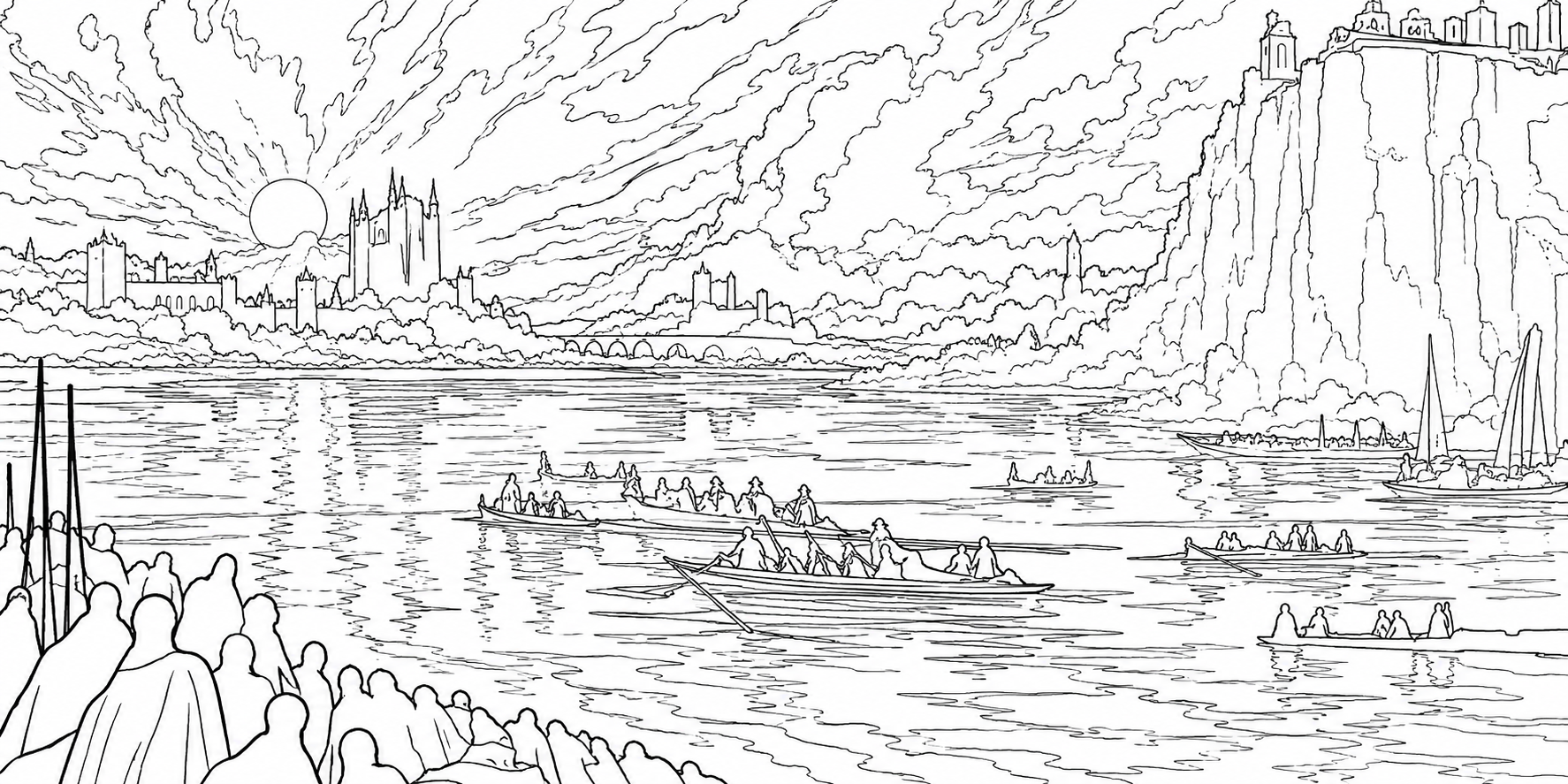
Turner used light and colour to transform what he saw. Now it is your turn. Choose your own colours and imagine how light could change this scene.

Printable colouring page inspired by Turner's use of light and colour
Download the colouring page

A QUESTION TO TAKE WITH YOU

When you look at a landscape, what do you remember first: its forms, its colours, its light, or the feeling it gave you?

GO FURTHER

Sources & Further Exploration

  • J. M. W. Turner โ€” artist information and collection โ€” Tate
  • Joseph Mallord William Turner โ€” Royal Academy of Arts
  • J. M. W. Turner โ€” collection and research resources โ€” National Gallery, London

Image Credits

Explore the references and sources of the illustrations used in this article.

View this article's image credits โ†’